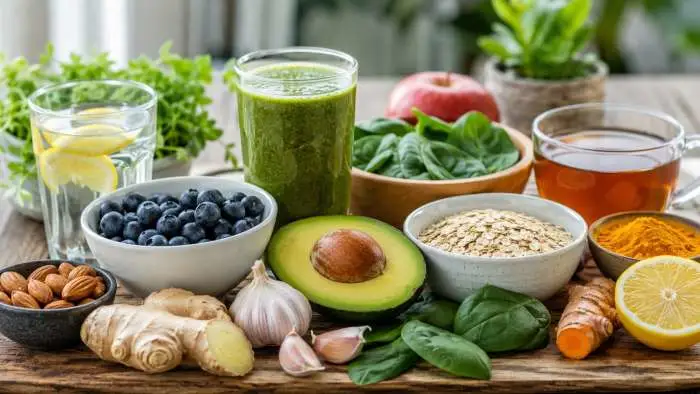
Making a few healthy tweaks to our diets can change how we feel for the better – but many people find expensive and exotic superfoods to be inaccessible. The good news is that you don't need rare or costly ingredients to make a real difference; with the help of a registered nutritionist, we have uncovered the game-changing everyday foods that can truly turbo-charge your meals. Eating well could turn out to be far easier (and cheaper) than you ever thought.
Papaya
Tropical fruit papaya delights the taste buds when enjoyed plain, blended into smoothies, or tossed into a fresh salad. It also provides impressive health benefits, thanks to its ample vitamin C content (which supports your immune response) and beta carotene, which your body readily converts into vitamin A (vital for maintaining healthy eyes and bones).
Being high in fibre and containing nearly 90% water, it can effectively support your digestive health as well. If that’s not enough, you can eat the seeds too – they offer nutrition, with plenty of fibre, and they impart a slightly spicy flavor.
You may also read :- Eat and Drink Your Way to More Refreshing Sleep
Chicken livers

If you're immune to the charms of a smooth pâté or seared liver straight from the barbecue, consider this: these rich and delicious nuggets of offal provide such high levels of vitamin A and iron that they practically act as supplements (a single serving will deliver 100% of your recommended iron). Despite this, however, even the highest-welfare liver remains one of the cheapest forms of meat you can purchase. True gourmets pre-soak their liver in milk before they start cooking to effectively remove any bitter flavors.
Jerusalem artichokes
Delicious and ridiculously easy to grow (many public allotments consider them a weed), this root vegetable delights with its sweet, smoky flavor and is supercharged with one particular nutrient. "Jerusalem artichokes provide very high levels of prebiotic fibre, which feeds our good gut bacteria," Anna explains. Onions, garlic, leeks, and asparagus also serve as prebiotic vegetables, but those knobbly 'sunchokes' truly deserve our attention and love.
You might enjoy mashing the cooked tubers into creamy potatoes, blending them into flavorful soups, or serving them as a delightful simple side dish.
Fresh herbs
Medicinal herbs provide us with a double whammy: they deliver great flavour and have noticeable impacts on our health. Whether we consider parsley's high vitamin C load (which is great for boosting our immune system), coriander's calming effect on brain activity, or the enzymes found in basil (which researchers have proven can slow down the progression of Alzheimer's), nearly every herb contributes positively to our health.
To maximise the benefits that these herbs can bring to your body, ensure that you chop and change the herbs you incorporate into your meals, rather than sticking to just one favourite variety.
Nut butters
Peanut butter obsessed? You could be doing your diet some good without even realising. Nut butters are a good way to get more fibre into your diet, especially if you spread them on wholemeal bread or crackers or use them as a dip for fruit and vegetables. As well as fibre, they provide extra protein for healthy muscles and immune systems. For an even healthier snack, look for products that are lower in salt and sugar.
Frozen berries
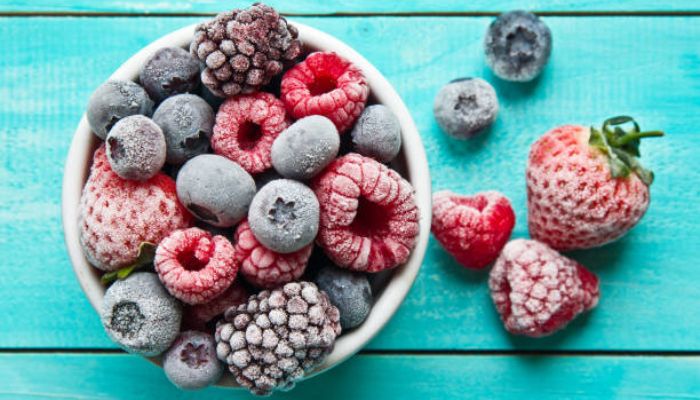
What would our ancestors have given for a year-round supply of seasonal berries? Thanks to the magic of the deep-freeze, we can dip into nutrient-rich reserves of blueberries, blackberries and raspberries whenever we make a smoothie, yogurt bowl or summer dessert. The key to berries' impact on our health is a high load of antioxidants: a category of plant chemicals that help prevent heart disease and high blood pressure.
Seaweed
As we've heard, we must get variety into our diet, as it is as important as the individual ingredients that contribute to it – so if sea vegetables aren't already a regular part of your intake, you should consider adding them in. Why? Seaweeds provide high amounts of fibre, an essential nutrient that most people's diets lack, along with a dazzling abundance of essential minerals that keep us in good health.
You can also easily enjoy them: use kombu strips in your soups or stocks, sprinkle sliced nori sheets over your rice bowls, or stir wakame flakes through your noodles.
Conclusion
As we've heard, we must get variety into our diet, as it is as important as the individual ingredients that contribute to it – so if sea vegetables aren't already a regular part of your intake, you should consider adding them in. Why? Seaweeds provide high amounts of fibre, an essential nutrient that most people's diets lack, along with a dazzling abundance of essential minerals that keep us in good health.
You can also easily enjoy them: use kombu strips in your soups or stocks, sprinkle sliced nori sheets over your rice bowls, or stir wakame flakes through your noodles.
Frequently Asked Questions
Do I need to buy expensive superfoods?
Nope. You do not need to spend big money on rare ingredients to stay healthy. Cheap, everyday things like frozen berries, standard garden herbs, and basic papayas do the trick. They give you the same heavy dose of nutrition without making you broke.
Why are papayas and their seeds healthy?
They have heaps of vitamin C for your immune system and beta-carotene for your eyes. Since the fruit is mostly water and fiber, it helps your gut quite a bit. Also, do not throw away the seeds. You can chew them for extra fiber and a small, spicy kick.
Why buy cheap chicken livers?
It is about the cheapest meat you can find, but it acts like a real vitamin pill. Just one serving gives your body all the iron it needs for the day. If you do not like the bitter taste, a quick trick is to soak the meat in a cup of milk before cooking.
How do Jerusalem artichokes help your gut?
These bumpy roots are packed with a special fiber that feeds your good stomach bacteria. They grow fast and easy, almost like weeds. To eat them, just boil and mash them into normal potatoes or throw a few chunks into a big pot of soup.
Is seaweed actually worth eating?
Yes, it is. Most people do not get enough minerals or fiber from standard grocery food, and seaweed fixes that instantly. It is easy too. Just crumble some dry nori sheets over white rice, stir small flakes into instant noodles, or boil a strip in your soup broth.