Many people have trouble sleeping, whether because of work worries, stress, overwhelming to-do lists or other concerns and issues. But did you know that simple dietary changes can tip the balance in favour of better and more refreshing sleep?
Porridge
It's not often you feel like eating porridge as an evening meal, but you could be convinced to try it once you've learnt about its sleep-boosting properties. Porridge is great because it's loaded with carbohydrates – just what you need to help the amino acid tryptophan produce serotonin and melatonin. It's also a good source of calcium, magnesium, phosphorus, silicon and potassium. Just don't finish it with masses of sugary toppings.
You may also read :- Easy and Delicious Ways to Boost Your Protein Intake
Fresh herbs
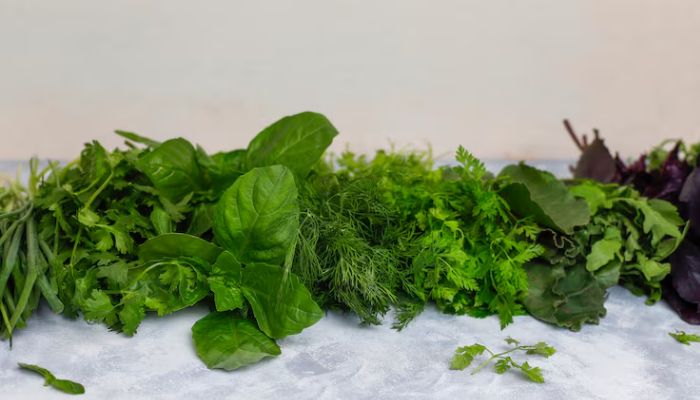
Fresh herbs don't just elevate the flavour of food – they can also help you calm down. Sage and basil especially help reduce tension and promote healthy sleep. So, say goodbye to store-bought pasta sauces; instead, make homemade varieties with lots of fresh herbs (and avoid adding stimulating ingredients such as black pepper or red pepper).
Peanut butter
Saturated fats and trans fats will reduce your serotonin levels, so you should avoid them before bedtime. If you do fancy a bite to eat in the evening, though, you can turn to heart-healthy unsaturated fats that will actually improve your serotonin levels. The Cleveland Clinic suggests trying peanut butter (provided it's made from 100% peanuts), perhaps combined with wholegrain crackers.
Grapes
Aside from tasting sweet and delicious, grapes offer all kinds of hidden health benefits. They can help maintain brain health, slow down aging, improve bone health and – most importantly, for this gallery – allow you to enjoy a good night's sleep. After all, a handful of grapes contains a degree of melatonin, the hormone that helps sleep. Just make sure you're eating grapes in their purest form, as opposed to grape juice or raisins.
Tempeh
In February 2025, the Journal of Food Science published a study that suggested fermented food might help to aid sleep. The researchers stressed that they did not reach a conclusive finding because of small sample sizes and a lack of overall research into this area, but they noted that it could be worth experimenting with fermented foods if you're struggling to sleep. Possible sources of the probiotics in fermented food include tempeh (pictured), kombucha, and miso. Note that you should avoid spicy fermented food before bed.
Decaf coffee
While it’s tempting to beat an afternoon slump with a double espresso, it’s best to switch out standard coffee for the decaffeinated variety once mid-afternoon swings around. The US-based Journal of Clinical Sleep Medicine published research that found consuming caffeine as much as six hours before bedtime can result in some people sleeping an hour less at night.
Crab
A low dietary intake of the mineral selenium is becoming increasingly common and has linked difficulty nodding off. Eating more crab is one tasty way of getting your selenium fix. This handy component not only helps with sleep, but it also helps prevent memory loss and promotes healthy thyroid function. The shellfish also contains crucial sleep nutrients such as calcium, zinc and vitamin B6.
Beansprouts
A tasty addition to Asian dishes, beansprouts contain a good amount of GABA – a chemical that increases alpha waves in the brain. According to research, alpha wave action plays a key role in enhancing sleep and encouraging relaxation. Throw a handful of beansprouts into your next stir-fry to reap the benefits.
Spinach

Spinach packs full of the nutrients needed to keep your body and brain healthy. Delicious in curries, salads and pastries, this leafy green is rich in magnesium (a nutrient known for its muscle-relaxing qualities) and calcium, another key mineral linked with promoting sleep. You could easily combine spinach with other ingredients on this list for the perfect sleep-promoting meal.
Greek yogurt with honey
A tasty tryptophan and carb–packed combo that will surely transport you to slumberland features protein-rich Greek yogurt with a drizzle of honey. A great alternative to a sugar-loaded scoop of ice cream, yogurt is super creamy and provides the extra benefit of being very high in snooze-friendly calcium. Some research shows that honey can also promote good sleep, although not everybody agrees. It does, however, taste delicious with yogurt.
Black beans
Research has proven that this tasty plant-based food can reduce high blood pressure, and studies have shown that it promotes sleep quality, too. Great for adding protein to all sorts of plant-based dishes (from quesadillas to Chinese-style sauces), black beans are packed with that all-important tryptophan, helping to ensure you stay asleep all night long.
Conclusion
You don’t always need to resort to sleeping pills or doctors to fix a bad sleep schedule; a lot of times, it just comes down to what you’re eating. Cutting out that late-afternoon coffee and skipping the sugary junk before bed makes a massive difference. If you replace those with simple stuff like oats, spinach, or regular peanut butter, you’re giving your body the right nutrients to actually chill out. Making a few quick tweaks to what you eat at night can completely change how well you sleep and how ruined you feel the next morning.
FAQs
Q: Porridge is a breakfast thing, so why should I eat it at night?
A: Yeah, it feels weird to eat it for dinner, but oats are packed with complex carbs and magnesium. Those carbs basically help your brain absorb tryptophan, which is what your body uses to create its own natural sleep hormones. Just don't dump a ton of sugar on top.
Q: Can I just have grape juice instead of eating whole grapes?
A: Better not to. Juicing them takes away all the good stuff and leaves you with a massive hit of pure sugar. That’s just going to spike your energy right when you’re trying to wind down.
Q: When should I actually cut off the caffeine?
A: Aim for mid-afternoon. Research shows that drinking regular coffee even six hours before your head hits the pillow can rob you of a full hour of sleep, even if you think caffeine doesn't affect you.
Q: If fermented food is good for sleep, why avoid the spicy stuff?
A: The probiotics in things like tempeh or miso are great for you, but spicy food (like kimchi) messes with your stomach and raises your body temperature. That extra heat and digestion will just end up tossing and turning you all night.