There are several main types of vegetarian diets, primarily distinguished by what animal products they include: Lacto-ovo-vegetarian (dairy & eggs) Lacto-vegetarian (dairy only) Ovo-vegetarian (eggs only) and the strictest, Vegan (no animal products at all). Other variations include Pescatarian (adds fish) and Flexitarian (mostly plant-based occasional meat), plus more specialized forms like Raw Vegan or culturally specific diets.
To help icon out what might work for you here’s a squint at the many shades of plant-based eating nearly all of which encourage getting increasingly verisimilitude on your plate through nutrient-rich fruits and veggies.
Level 5 Vegan: What It Means and How It Differs
Considered the strictest form of vegan a Level 5 vegan is specified as “not eating anything that casts a shadow” by Lisa Simpson on a 1995 episode of The Simpsons titled “Lisa the Vegetarian.”
According to show lore, Paul McCartney, who appeared to support Lisa’s veggie-forward journey, required that she quit meat for the rest of the season.
While the definition is unmistakably a joke (since plants moreover tint shadows), many vegans have co-opted this pop culture reference to refer to anyone with a ride-or-die vein well-nigh veganism.
(Turns out, Lisa moreover never looked when on her visualization and is still a plant-based hero increasingly than two decades later.)
1. Vegan
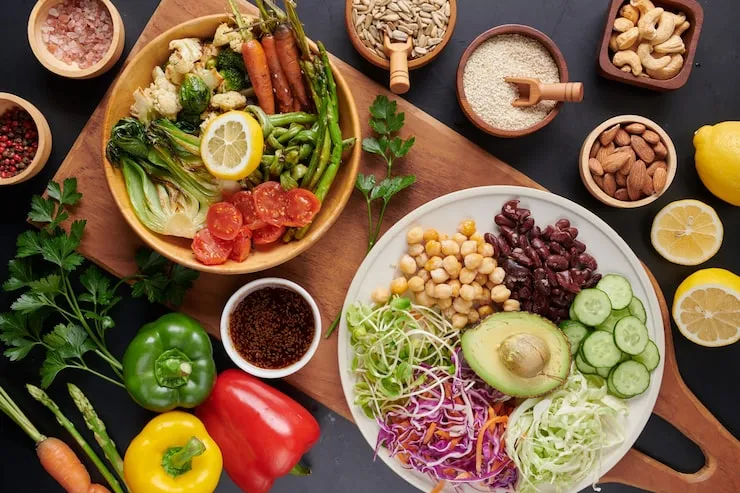
According to the OG of veganism, the Vegan Society, the official definition inked circa 1949 is “to seek an end to the use of animals by man for food, commodities, work, hunting, vivisection, and by all other uses involving exploitation of unprepossessing life by man.
A vegan nutrition is entirely plant-based and avoids all animal-based foods, such as meat (including fish, shellfish, and insects), dairy, eggs, and honey. There’s the widow lifestyle component of moreover lamister all other animal-derived products, as well as products tested on animals, and venues that showcase animals for entertainment purposes.
Within veganism, practitioners interpret or segregate to follow these guidelines differently. Some worldwide variations include
2. Ethical
Involves lamister all products made by animals or viewed as unforgiving toward cuddly creatures. Examples include wearing silk blouses, leather shoes, and makeup tested on animals, or visiting a circus (which offers the widow goody of sidestepping creepy clowns).
Raw: Combines a raw supplies diet with veganism and is focused on eating uncooked veggies, fruits, and grains. Flipside spin is “Raw ‘Till 4,” or eating raw foods until 4 p.m. and then having a cooked dinner.
You may also read :- Workout And Diet Plan For Weight Loss For Male
3. High carb low fat
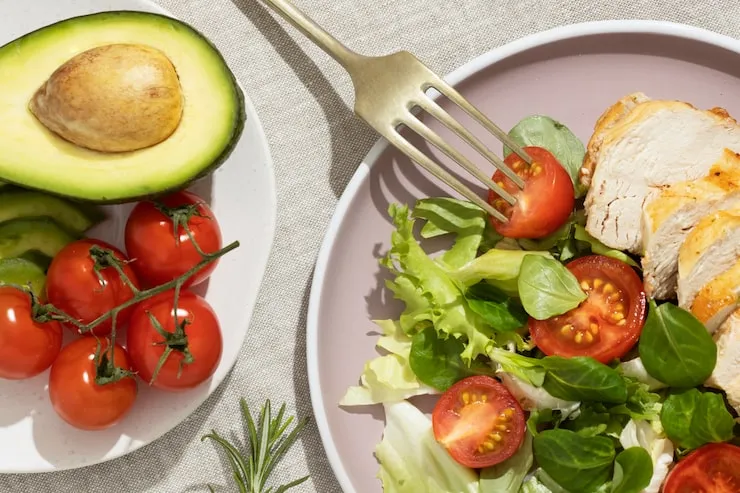
The polar opposite to keto in many ways, “high carb low fat” vegans eat large amounts of carbs, such as fruit, vegetables, and grains, and as little fat as possible. It’s important to note that fat is a key macronutrient, and important to slosh in recommended amounts.
4. Lacto-Vegetarian
Lacto-vegetarian is a form of plant-based eating that allows the consumption of dairy products, such as milk, cheese, and yogurt, explains Sharon Palmer, M.S.F.S., R.D.N., The Plant-Powered Dietitian.
5. Ovo-vegetarian
“Ovo” is the Latin word for egg. Ovo-vegetarians are OK with eating foods containing eggs, such as omelets, but do not slosh dairy products.
6. Lacto-ovo vegetarian
Lacto-ovo vegetarians slosh eggs as well as dairy-based foods, however they do not eat meat, poultry, or seafood. This is perhaps the most worldwide type of vegetarian.
7. Pescatarian
Pescatarian (also spelled “pescetarian”) is a semi-vegetarian nutrition that includes the consumption of fish or seafood. As such, pescatarians diets can be highly personalized; one person might eat fish, but swear off shellfish, or vice versa.
Exploring the reasons why some people don’t regard fish the same as meat might dock you in murky waters. They range from the fact that fish are cold-blooded (versus warm-blooded mammals) to the Catholic Church’s historical exemption that allows the consumption of fish during times of fasting from meat, such as Lent.
8. Pollotarian
Another offshoot of plant-based eating, pollotarians stave mammalian, or red, meat such as whinge and pork, but make an exception for yellow and other poultry. (Despite the popular razzmatazz campaign, pork is technically the other red meat. And, in an offshoot of an offshoot, pesce-pollotarians are pollotarians who eat fish.
9. Flexitarian
A hybrid of the words “flexible” and “vegetarian,” flexitarian is a style of plant-based eating that allows for moderate consumption of flesh. A flexitarian nutrition is the same as an omnivorous one, with myriad interpretations, alluding to the intention to reduce unprepossessing product consumption,” says Hever.
How to Start Eating a Vegetarian Diet?
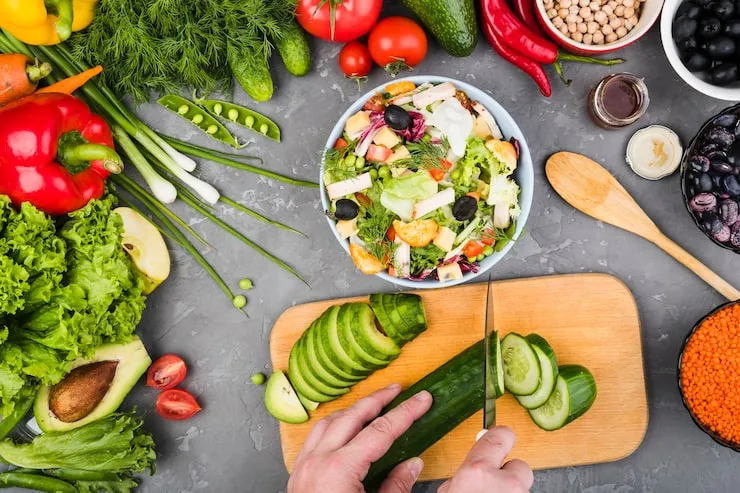
We are all creatures of habit, rotating through a few variegated recipes day without day, week without week,” says Hever. Exploring a plant-based nutrition is a unconfined way to shake up your routine and add increasingly veggies.
1. Seek recipe inspiration
“The internet offers limitless wangle to recipes, tips, and ingredients to modify scrutinizingly anything you have unchangingly loved into a plant-based version. The weightier way to ease into this way of eating is to have fun and explore!”
In wing to tasty recipes, Hever’s latest typesetting offers detailed science on plant-based eating. While you’re trying it out, she moreover recommends using social media for inspiration.
2. Gather support
“Having social support is helpful during the process, and it becomes easier and easier with practice,” she says.
3. Slosh essential nutrients
When you eat right, it’s easy to get unobjectionable nutrition from plant-based food. However it’s important to make sure you’re eating a well-turned diet. “It’s easier to meet your nutrient needs on a vegetarian nutrition — you have to be little increasingly shielding and strategic on a vegan diet,” says Palmer.
Supplements Vegetarians May Need
On a plant-based diet, there are five micronutrients we consider notable nutrients: vitamins B12, D, K2, iodine, and zinc,” explains Hever.
Vitamin B12
Vitamin B12 is something that must be supplemented by anyone on a vegan nutrition and older adults, regardless of their diet.
Vitamin D
If you’re not drinking milk, where do you get vitamin D? “Vitamin D is not specific to a vegan nutrition and may or may not be an issue, based on sun exposure, soul fat, and time spent indoors, among other factors,” say Hever. “I have my clients take thoroughbred tests to determine whether serum levels of vitamin D are unobjectionable or need supplementation.”
Vitamin K2
“While vegans hands slosh plenty of vitamin K1 from leafy greens, there is flipside form, vitamin K2, that is moreover important,” says Hever. “Though it can be found in unrepealable fermented foods, such as sauerkraut and a Japanese dish tabbed natto, there is vestige that supplementing with K2 may be important for cardiometabolic and unorthodoxy health.”
Iodine and zinc
Iodine can be consumed via iodized salt or sea vegetables, and zinc is misogynist in legumes, nuts, and seeds, but both of these minerals need attention,” explains Hever.
Omega-3s
For anyone who does not eat fish, long-chain omega-3 fatty acids, specifically EPA and DHA, might need to be supplemented, too,” says Hever. One plant-based source of omega-3s is hemp hearts. Three tablespoons contain well-nigh 3 g of these healthy fats.
Should You Switch to a Plant-Based Diet?
There many benefits associated with eating a whole food, vegan diet,” says Hever. Plant-based diets in unstipulated have been associated with heart health, normal thoroughbred pressure, healthy thoroughbred sugar levels, and lower cholesterol.
“There are no known reasons not to eat increasingly plants and fewer or no unprepossessing products,” says Hever. “And, there are myriad advantages of doing so vastitude health, including eating on a budget.