Vintage diet food culture was filled with bizarre foods, risky pills, and questionable weight-loss trends that would never survive modern health standards. From tapeworm diet pills and amphetamine suppressants to vinegar tonics, gelatin diets, and fat-free chips with Olestra, these products promised fast results while ignoring serious health risks and sustainability.
Many relied on extreme calorie restriction, artificial ingredients, or dangerous chemicals rather than balanced nutrition. Others, like baby food meals and powdered drink mixes, reflected convenience-driven diet fads of their era. Today, these vintage diet foods serve as a reminder of how far nutrition awareness and consumer safety standards have evolved.
14 Vintage Diet Foods That Would Never Survive Today
1. Tapeworm Diet Pills
The tapeworm diet exists as an ancient weight-loss method that brings both unsafe results and mythical outcomes. According to rumors, people widely practiced the historical use of vintage pills, yet they believed that drinking parasite-infected water would assist their weight loss efforts. Today, advertisers would shut down that pitch before the ad copy even got started.
You may also read :- Vegan Meal Prep Ideas For The Week
2. Gerber Singles Adult Baby Food
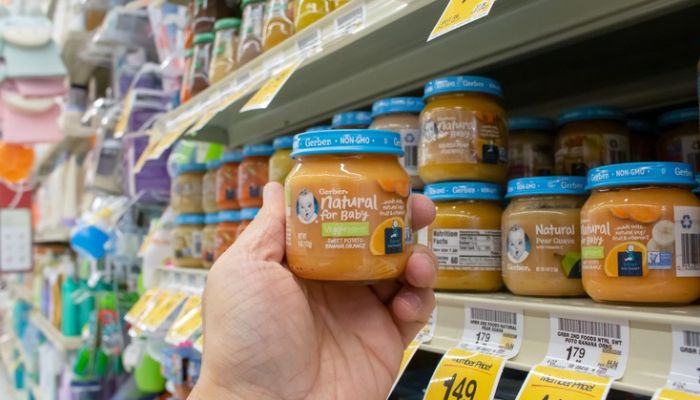
During the 1970s, Gerber Singles attempted to market their packaged meals, which required no cooking, to adult consumers. The product design focused on providing convenience, yet its packaging design looked like a nursery product display. Adults prefer simple dinner options, yet they desire to compare their culinary skills with other adults.
3. DNP Tablets
DNP gained promotion as an effective weight loss solution because it caused the body to convert additional energy into heat. The statement appears reasonable until you realize that the product's severe side effects, which included extreme overheating, vision impairment, and death, created one of the most obvious warning signs about dieting. Some shortcuts aren't shortcuts at all.
4. Amphetamine Diet Pills
Mid-century people started using amphetamine-based diet pills because the drugs stopped them from feeling hungry while providing them with energy. The first period of their existence showed them to be effective. The situation developed into a typical outcome that caused people to develop dependence on the drug while using it excessively and experiencing severe bodily damage.
5. WOW! Chips With Olestra
WOW! Chips delivered snack options that contained no fat yet preserved the existing salty crunch that customers already enjoyed. The problem arose from Olestra because it functioned as a fat substitute that moved through the body in a different way than natural fats and became infamous for causing digestive issues.
6. Metrical Meal Replacements
Metrical created a stylish appearance for its meal replacement products. The powders and canned shakes provided precise calorie management, yet their actual usage became tedious after a short period. The act of consuming meals through liquids creates a limited amount of elegance, which people use to deceive others about their actual hunger status.
7. Vinegar Diets

Vinegar diets have existed in different variations throughout history because people believed that sour liquids could help them lose weight. A little vinegar in food is perfectly fine. The use of it as a fat-dissolving tonic leads to two opposing beliefs about its actual effects.
8. Seaweed Tablets
Marketers promoted seaweed tablets with the claim that iodine would boost thyroid function, which would result in faster weight loss. People who follow a healthy diet can include seaweed as a regular food item, but they should avoid consuming concentrated iodine because it is not safe to eat in large amounts. The body experiences various symptoms when a person consumes excessive iodine, which include abdominal pain, delirium, fever, and dental discomfort.
9. Artificial Sweetener Diet Foods
The artificial sweetener boom gave dieters puddings, drinks, and desserts that guaranteed a sweet taste without using sugar. The idea appealed to many, especially when calorie counting ruled every conversation about food. The taste and aftertaste, along with ongoing health disputes about different sweeteners, caused most products to become temporary trends.
10. Crystal Light-Style Drink Mixes
The 1980s diet culture displayed its presence through the bright, powdery appearance of low-calorie drink mixes. The product allowed users to experience water as a lemonade or fruit punch beverage, which resulted in increased fluid consumption for some users. The artificial flavor and sweetener components of the product created difficulties for users who wanted to use it as a healthy alternative in present times.
11. Gelatin Diets
People who followed gelatin diets believed that the jiggly and colorful low-calorie substance would satisfy their hunger between meals. The budget-friendly and traditional kitchen aesthetic of the product created its appeal to customers. Snacking on gelatin between meals fails to create a sustainable eating pattern.
12. HCG Diet Plans
The HCG diet plan requires its followers to take hormones while consuming a diet that restricts them to extremely low-calorie intake. The severe restriction influenced the weight-loss claims far more than anything special about the hormone itself. The current setup creates immediate warning signs for people who want to distinguish between actual health outcomes and punishment-based results.
13. Carrot Juice Cleanses

Carrot juice itself makes a good drink, but using it as the main component for a health cleanse creates problems because it eliminates different drink options. Consuming excessive amounts of carrot-based diets results in a more visible orange skin effect than it does from any unique health benefits.
14. Grapefruit Diets
The grapefruit diet became popular because it claimed that eating half a grapefruit with every meal would help people lose weight. The program succeeded when it succeeded because it reduced calories and eliminated most food options for participants. Grapefruit makes a good breakfast choice. The fruit fails to accomplish the major benefits that those programs promised.
FAQs
What were vintage diet foods?
Vintage diet foods were old-fashioned weight-loss products, meal plans, and low-calorie foods that became popular decades ago. Many promised quick results but often relied on unhealthy or extreme methods.
Why were old diet trends considered dangerous?
Many vintage diets used risky ingredients, severe calorie restriction, stimulants, or unproven methods that could cause serious health problems, including addiction, malnutrition, and digestive issues.
Why did people use amphetamine diet pills?
Amphetamine-based diet pills suppressed appetite and boosted energy, which made them popular for weight loss. However, they often led to addiction, heart problems, and other harmful side effects.
Are grapefruit diets and vinegar diets effective?
These diets may lead to short-term weight loss mainly because they reduce calorie intake. However, they are not considered sustainable or scientifically proven long-term solutions.
Why did meal replacement diets become popular?
Meal replacement shakes and powders offered convenience and controlled calorie intake. While they worked for some people temporarily, many found them difficult to maintain over time.
What can we learn from vintage diet trends today?
Vintage diet trends show the dangers of chasing quick fixes instead of balanced nutrition, exercise, and sustainable healthy habits.